
1. Basic Definition & ISO Class 0 Standard For Oil-Free Screw Compressors
ISO 8573-1 Class 0 is the strictest global compressed air purity standard, requiring zero detectable oil residue in output airflow, which eliminates product contamination risks for pharmaceutical, food, electronics and medical production lines. Two mainstream technical routes satisfy this certification: dry oil-free screw compressors and water-injected screw compressors manufactured by Hangzhou Ever Power Air Compressor Co., Ltd., located at SHENHUA ROAD, HANGZHOU, CHINA 310031. Many plant managers struggle to distinguish the two solutions, as both deliver Class 0 clean air but differ widely in working principle, energy consumption, site adaptability and total cost of ownership over 10-year operation cycles. Before selecting equipment, factory operators must evaluate core production demands including working pressure range, daily running hours, ambient temperature and local water supply conditions to avoid overinvestment or insufficient performance that halts batch production. You can check our full product lineup via low pressure water lubricated screw compressor series to view real technical parameters and industrial application cases verified by TÜV certification authorities.
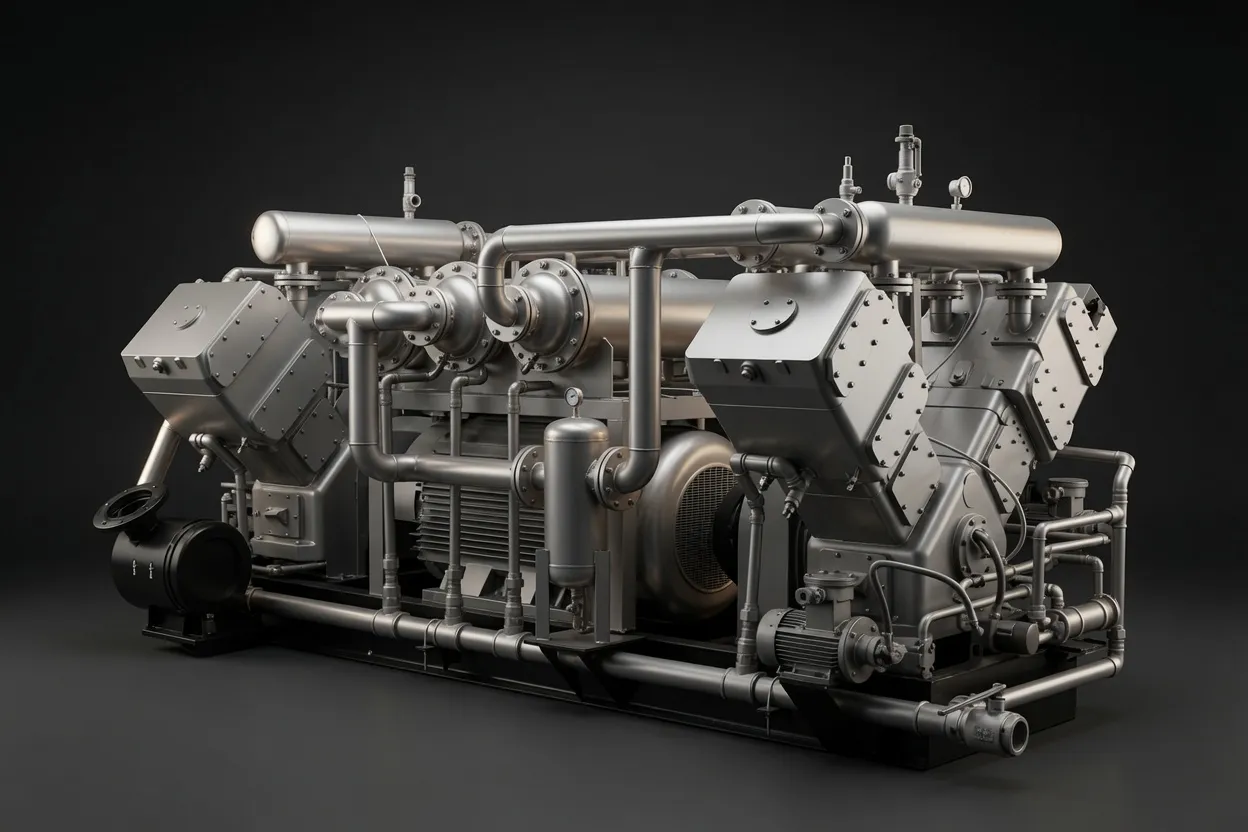
What Makes Class 0 Certification Non-Negotiable For Sensitive Industries
Even trace oil vapor in compressed air can trigger massive losses: spoiled food packaging, defective semiconductor chips, failed sterile drug batches and non-compliance audits with global food safety regulations like FDA and GMP. Class 0 compressors remove all hydrocarbon risks entirely, splitting into dry-type and water-injected architectures that each carry unique design tradeoffs. Dry oil-free units rely on coated rotors and timing gears to avoid metal contact inside compression chambers, while water-injected models use purified water as the sole medium for lubrication, sealing and heat dissipation without any synthetic oil additives. Each design targets distinct factory environments, and our engineering team provides one-on-one site assessment support through to match equipment to your facility’s layout and production load curves.
2. Working Principle & Core Structure of Dry Oil-Free Screw Compressors
Dry oil-free screw compressors adopt a two-stage compression layout paired with high-precision synchronous timing gears, which maintain tiny clearance between male and female rotor profiles so no liquid lubricant enters the compression cavity at any operational stage. Rotor surfaces are coated with durable PTFE or ceramic composite layers to reduce friction during high-speed rotation, and external air or water jacket systems dissipate compression heat generated by repeated air volume reduction. This fully dry architecture eliminates water circulation pipelines entirely, making the machine compact for facilities with limited floor space or restricted water access. However, the two-stage compression process generates extremely high discharge temperatures, forcing manufacturers to integrate large intercoolers between primary and secondary compression stages to prevent thermal damage to rotor coatings. Factories operating under continuous full-load conditions (16+ hours daily) will face accelerated coating wear, which requires expensive rotor reconditioning every 70,000 to 90,000 operating hours, a hidden long-term cost many purchasing teams overlook during initial equipment budgeting. Our engineering team outlines all lifecycle cost differences between dry and water-lubricated systems in detailed technical reports available upon request via [email protected].
Key Design Limitations of Dry Oil-Free Compressor Systems
The core weakness of dry oil-free equipment lies in poor thermal management and higher energy consumption compared to water-injected alternatives. Two-stage compression creates significant pressure drop across intercoolers, increasing power draw by 8% to 15% under identical air delivery volume. Rotor coating degradation also introduces gradual air purity risks as protective layers wear thin, requiring regular air quality testing to maintain Class 0 compliance. Additionally, dry units operate at slightly higher noise levels (72–78 dB(A)) due to metal-to-air friction inside compression chambers, demanding extra sound insulation enclosures for indoor workshop environments with strict noise control standards. Facilities without dedicated cooling tower infrastructure will struggle to stabilize dry compressor operating temperatures during summer peak production shifts, leading to automatic load reduction and insufficient compressed air supply for assembly lines.
3. Water-Injected Screw Compressor Working Mechanism & Unique Technical Strengths
Water-injected screw compressors achieve Class 0 oil-free air through single-stage near-isothermal compression, injecting purified deionized water directly into the rotor chamber to simultaneously lubricate sealing gaps, absorb compression heat and flush fine airborne particulates out of the unit during runtime. The water film formed between rotor surfaces eliminates metal contact entirely without relying on fragile coating layers, removing the need for costly rotor refurbishment cycles that plague dry oil-free equipment. Discharge temperatures stay consistently below 45°C under full load, cutting energy waste caused by thermal expansion and reducing overall power consumption by 10–16% versus equivalent power dry oil-free models. All internal fluid pipelines adopt stainless steel anti-corrosion material, compatible with softened RO water widely accessible in modern industrial parks, and the integrated water circulation loop features automatic filtration, descaling and temperature adjustment modules to sustain stable long-term operation. Hangzhou Ever Power’s full range of water injected screw compressors pass independent TÜV Class 0 testing, with standardized low-pressure models from 15kW to 75kW ready for immediate factory delivery, and fully customized pressure configurations available for specialized aeration, pneumatic conveying and sterile filling workflows.
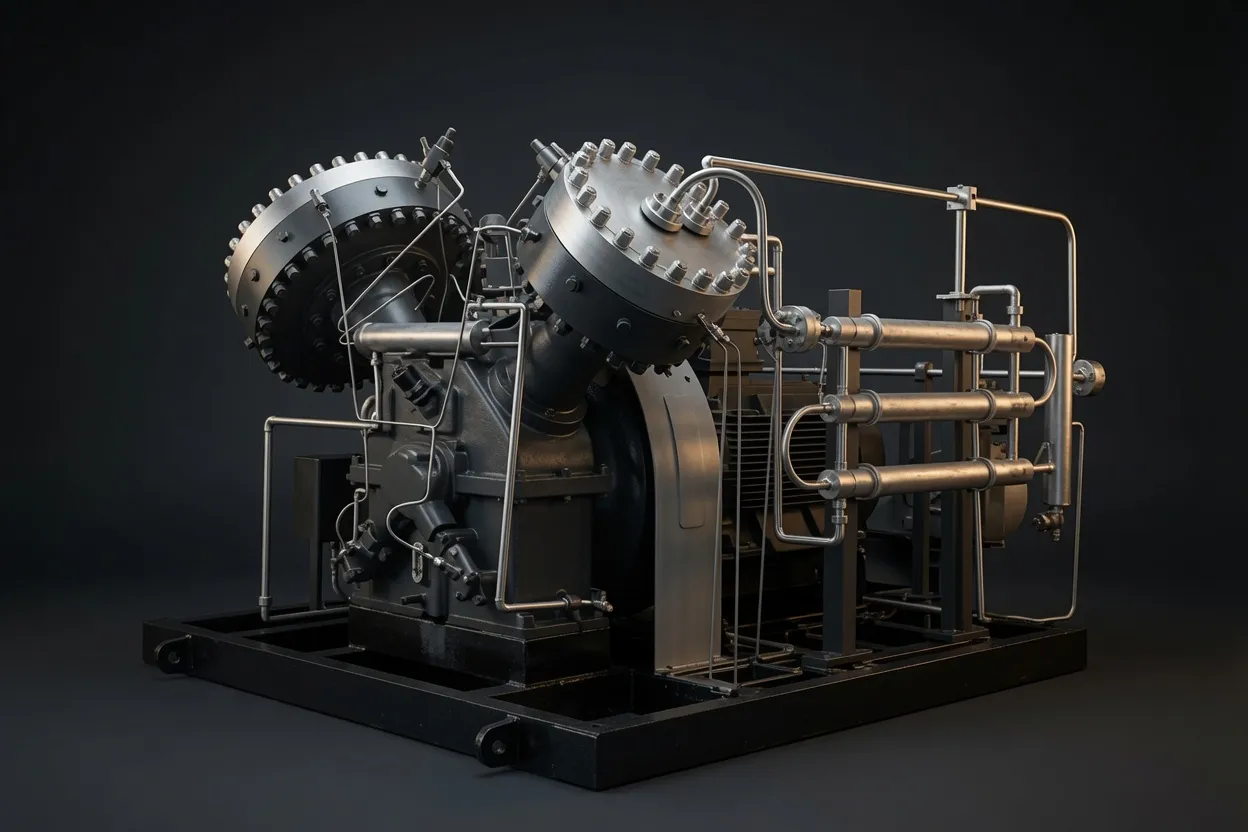
Core Operational Benefits For Continuous Production Factories
Near-isothermal compression minimizes thermal stress on all moving components, extending the service life of main rotors, bearings and drive motors by 30% compared to dry oil-free screw compressors. The built-in water washing function clears micro-impurities from the compression cavity automatically, reducing filter replacement frequency and lowering auxiliary air treatment equipment investment, as less heat-generated moisture enters downstream dryers and filters. Operating noise sits at 68–71 dB(A), quieter than dry-type counterparts, eliminating the need for bulky noise reduction cabinets in cleanroom workshops. For food and pharmaceutical manufacturers running 24-hour non-stop production cycles, water-injected designs deliver more stable airflow pressure without frequent temperature-triggered load derating, avoiding unplanned production downtime linked to compressed air shortages. Our factory’s production workshop with finished water-lubricated compressor stock can be viewed in detail via about us air compressor manufacturer page, including quality inspection workflows and component testing standards.
4. Dry Oil-Free vs Water-Injected Screw Compressor Full Comparison Table
| Comparison Item | Dry Oil-Free Screw Compressor | Water-Injected Screw Compressor |
|---|---|---|
| Compression Stage | Two-stage high-temperature compression | Single-stage near-isothermal compression |
| Average Energy Saving Rate | Baseline reference (0%) | 8%–16% lower power consumption |
| Key Maintenance Cost Driver | Rotor coating reconditioning, timing gear service | Water filter replacement, softener system upkeep |
| Operating Noise Level | 72–78 dB(A) | 68–71 dB(A) |
| Water Supply Requirement | No internal water circulation needed | Requires softened/RO purified water supply |
| Best Fit Working Pressure | 0.4–1.0 MPa medium/high pressure | 0.12–0.4 MPa low-pressure continuous airflow |
| 10-Year Total Ownership Cost | High (rotor refurbishment + power waste) | Medium-Low (lower electricity offsets water treatment fees) |
This table quantifies core operational gaps between the two Class 0 compressor technologies to help plant managers align equipment selection with site constraints. Low-pressure production lines such as food aeration, pharmaceutical granule conveying and electronic component cleaning gain maximum economic returns from water-injected screw compressors, while facilities with high-pressure demand and zero available water treatment infrastructure may opt for dry oil-free units after cost-benefit analysis. Our technical sales team can generate custom TCO calculation reports for your factory by emailing [email protected] with your plant’s average daily air consumption, working pressure and local industrial electricity rates.
5. Step-by-Step Decision Flow To Choose Between Dry & Water-Injected Class 0 Compressors
Confirm Production Air Pressure Demand
Measure your stable working pressure range. If production runs below 0.4 MPa, water-injected screw compressors deliver higher airflow efficiency; pressures above 0.4 MPa lean toward dry oil-free two-stage compression systems.
Evaluate On-Site Water Supply Conditions
Check access to softened or RO deionized water. Factories with existing water treatment infrastructure will minimize water-injected compressor maintenance burden; sites without water pipelines should prioritize dry oil-free units.
Calculate Daily Continuous Running Hours
24-hour full-load production lines recover water-injected compressor extra upfront cost within 3–5 years via electricity savings. Intermittent 8-hour daily shifts may reduce energy benefit margins significantly.
Review Long-Term Maintenance Budget Limits
Dry oil-free compressors carry massive mid-term rotor coating replacement costs after 70,000 operating hours. Water-lubricated models spread maintenance expenses evenly across monthly filter and water system servicing.
Submit Site Data For Professional Custom Quotation
Fill out our consultation form at #contacts on the contact us page or call +86 13083988828 to receive customized equipment layout and pricing from our engineering team within 24 working hours.
This structured 5-step evaluation eliminates subjective purchasing decisions and prevents costly equipment mismatches that disrupt production cycles for years. Many manufacturing clients skip water supply and runtime assessment steps, leading to unexpected operational bottlenecks after compressor installation. Our technical engineers complete free on-site surveys for large-volume factory orders to validate all site parameters before finalizing equipment specifications and production schedules for water-injected screw compressor units.
6. Best Matching Industrial Applications For Dry Oil-Free & Water-Injected Compressors
Different manufacturing verticals carry unique compressed air demands that align naturally with either dry oil-free or water-injected screw compressor architecture, based on pressure requirements, air purity sensitivity and continuous operation schedules. Food and beverage production, pharmaceutical sterile processing and microelectronics assembly represent the three largest sectors requiring ISO Class 0 oil-free air, yet each field displays distinct operational constraints that tilt equipment selection toward one technology over the other. Understanding industry-specific pain points allows plant managers to prioritize the compressor design that resolves their most costly production risks, whether that risk is excessive monthly electricity bills, periodic rotor rebuild downtime or limited on-site utility infrastructure for water treatment systems.
Industries Where Water-Injected Screw Compressors Deliver Maximum ROI
Low-pressure continuous airflow processes benefit most from water-lubricated Class 0 compressors, including food mixing and packaging aeration, pharmaceutical powder conveying, battery material drying, electronic component dust removal and wastewater aeration treatment. These workflows run steadily 12–24 hours daily under pressure below 0.4 MPa, where the near-isothermal compression design cuts energy consumption month-over-month while maintaining consistent Class 0 air purity without performance degradation during extended runtime. Stainless steel internal pipelines resist corrosion from humid factory environments common in food and chemical processing plants, and the integrated water self-cleaning system reduces downstream filter replacement frequency to lower auxiliary equipment operating costs. Our CM/D series low-pressure water-injected models detailed in CM45D water lubricated compressor product page have completed thousands of stable installations across global food and pharmaceutical manufacturing facilities since 2018.
Industries Better Suited For Dry Oil-Free Screw Compressors
High-pressure batch production workflows with limited or zero water supply infrastructure perform better with dry oil-free two-stage screw compressors, including medical instrument sterilization, high-precision plastic molding, aerospace component testing and large-scale automotive paint spraying. These applications demand stable pressure above 0.5 MPa and often operate in remote factory workshops without dedicated RO water softener equipment required for water-injected compressor circulation loops. While dry units carry higher energy expenditure, their fully sealed dry architecture removes the risk of water vapor leakage into compressed air pipelines that could damage sensitive high-pressure precision machinery. Factories adopting dry oil-free compressors must schedule quarterly air quality testing and annual rotor coating thickness inspections to sustain unbroken Class 0 certification compliance through multi-year production audits.
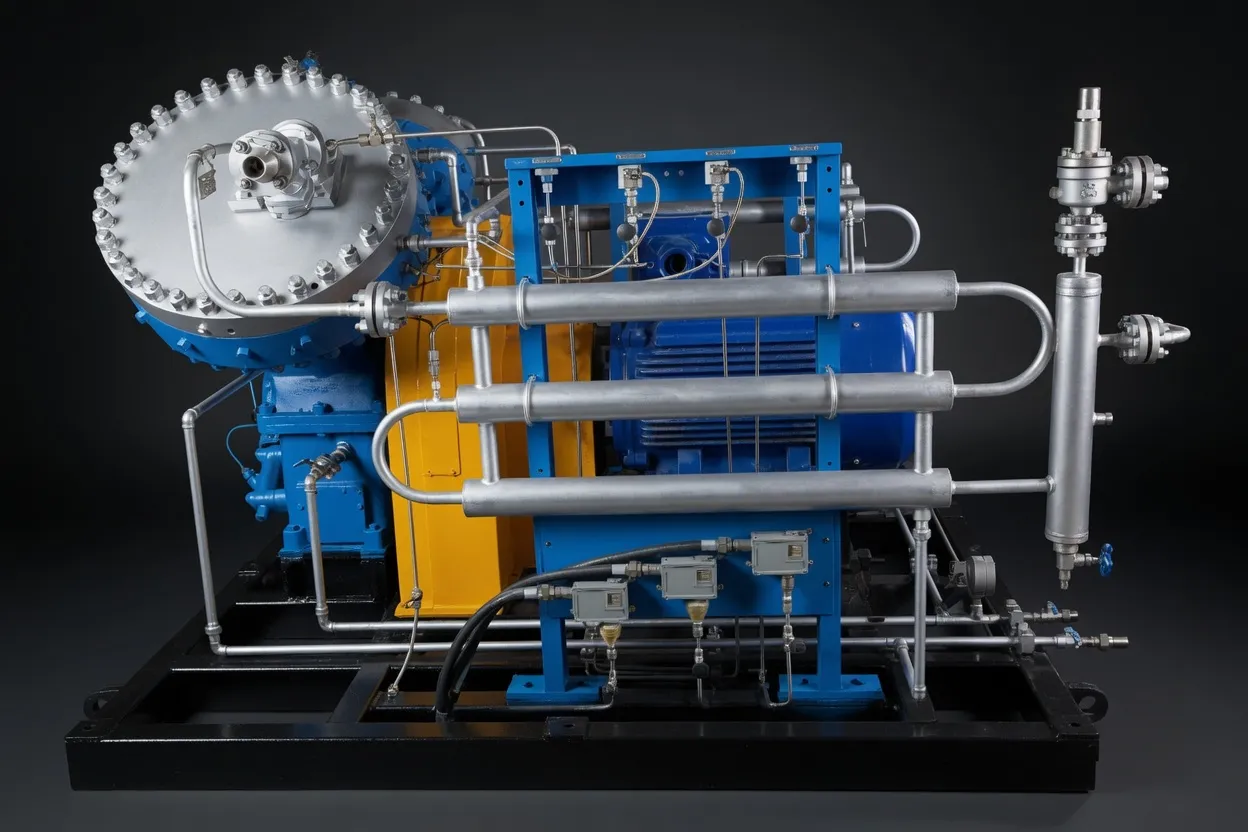
7. Core Advantages Of Our Water-Injected Screw Compressors Over Generic Dry Oil-Free Equipment
As a professional Class 0 oil-free compressor manufacturer based in Hangzhou, Hangzhou Ever Power Air Compressor Co., Ltd. focuses exclusively on optimized water-injected screw compression technology for low-pressure clean-air industrial applications, delivering performance and cost advantages that standard dry oil-free compressor suppliers cannot match. Our full production line implements strict TÜV Class 0 quality control standards for every unit, with all core rotors, stainless steel pipelines and intelligent PLC control systems manufactured in-house to eliminate supply chain component quality inconsistencies common among generic compressor brands. Unlike dry oil-free competitors that charge steep fees for rotor recoating after short service cycles, our water-lubricated rotor assemblies operate contact-free via continuous water film lubrication, eliminating the need for costly mid-life rotor refurbishment entirely and slashing long-term total ownership costs for factory operators.
- ✓
8–16% Lower Continuous Power Consumption
Near-isothermal single-stage compression eliminates intercooler pressure loss and thermal energy waste present in two-stage dry oil-free designs.
- ✓
Zero Rotor Coating Refurbishment Costs
Water film separates rotor surfaces permanently, removing the expensive coating replacement cycle required by all dry oil-free screw compressors.
- ✓
Fully Customizable Low-Pressure Configurations
Adjustable working pressure from 0.12–0.4 MPa, with optional variable speed drive (VSD) motors to match fluctuating factory air load curves precisely.
- ✓
Complete After-Sales Engineering Support
Global technical service, spare parts stock, on-site installation guidance and predictive maintenance monitoring via our dedicated sales team reachable at [email protected] or +86 13083988828.
- ✓
Full Factory & Quality Certification Transparency
View production workshops, TÜV Class 0 test reports and quality control workflows on our about us manufacturer page before placing bulk equipment orders.
Frequently Asked Questions About Class 0 Dry vs Water-Injected Screw Compressors