
Introduction: Why LCC Analysis Beats Simple Price Comparison
Most factory procurement teams only compare upfront quotation prices when selecting oil-free air compressor equipment, ignoring full lifecycle cost (LCC) which accounts for over 90% of total expenditure across 10 years of operation. A water-injected oil-free rotary screw compressor, also known as water lubricated compressor, carries a higher initial purchase price than dry oil-free screw compressor, yet its near-isothermal compression design and zero rotor-coating maintenance can slash long-term operating expenses dramatically. Industry data confirms that energy consumption occupies 70%–80% of the full lifecycle cost of any industrial air compressor, followed by recurring maintenance, auxiliary water system fees, unplanned downtime losses and end-of-life scrap value. This article systematically splits all price influencing factors of water-lubricated oil-free compressors, breaks down every component of LCC calculation, compares 10-year total expenditure with dry oil-free counterparts, and provides a standardized LCC calculation template for food, pharmaceutical and electronics manufacturing procurement managers. We will also clarify common cost misunderstandings that lead to poor investment decisions when buying Class 0 compressed air equipment compliant with ISO 8573-1 standards.
1 Core Factors That Determine Water-Lubricated Oil-Free Compressor Upfront Price
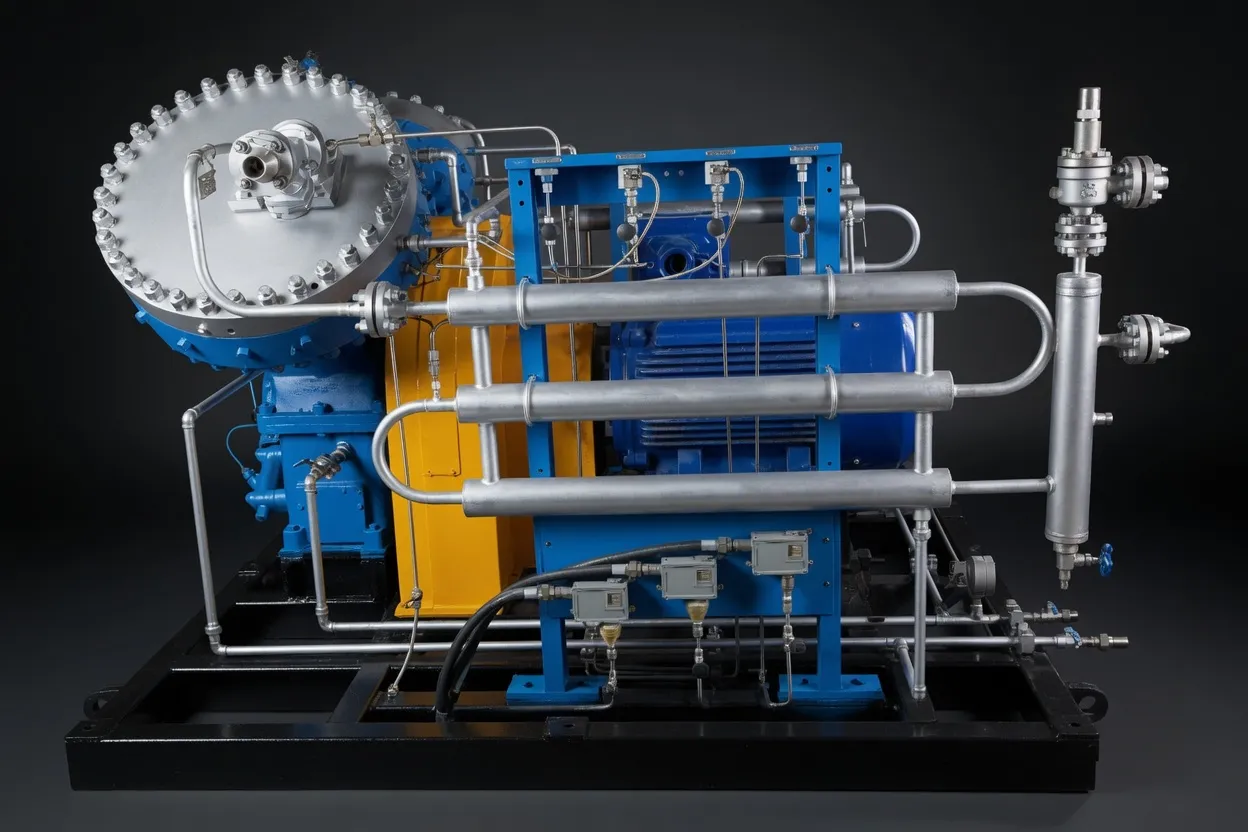
The initial capital cost (CapEx) of a water injected compressor is not fixed; multiple hardware, configuration and custom parameters create large price gaps between different models and packages. Below are six decisive pricing dimensions that every buyer must verify before requesting formal quotations, covering power grade, structural form, supporting system and intelligent configurations.
1.1 Motor Power & Rated Air Flow Specs
Power range from 7.5kW to 10000kW forms the basic price tier of oil-free rotary screw compressor. Low-power small units (7.5–37kW) for laboratory and dental workshops carry low entry prices, while medium 45–75kW models are mainstream for food and beverage factories, and large 100kW+ heavy-duty water lubricated compressors for large CBM gathering stations cost significantly more. Exhaust flow (Nm³/min) also changes quotation directly; customized wide-range air output adjustment requires modified rotor profiles and PLC programs that raise manufacturing costs by 10%–18% compared to standard fixed-flow versions.
1.2 VSD Variable Speed Drive Configuration
Fixed-speed water-lubricated oil-free compressors have lower base prices, while permanent magnet VSD variable speed drive compressor units add a 15%–25% premium on upfront cost. The inverter module, intelligent load matching program and energy-saving control hardware increase factory production costs, yet VSD versions cut power consumption by 20%–35% under fluctuating factory air demand, shortening full lifecycle payback cycles for continuous production lines with variable air usage.
1.3 Integrated RO Water Treatment Matching Package
This is the biggest price difference between water lubricated and dry oil-free compressor complete sets. Dry oil-free equipment needs no water supporting equipment, while every qualified water injected compressor must be paired with a full RO purified water system including pre-filter, membrane tank, conductivity monitor and circulation pump. Buyers who select standalone compressor hosts without matching water systems get lower headline prices but face extra outsourced equipment procurement fees later, plus compatibility risks between third-party water units and the air end.
1.4 Rotor Structural Type (Single Screw vs Twin Screw)
Single screw water-lubricated oil-free compressors adopt symmetrical star wheel balance design with higher precision machining standards, leading to a 12%–20% higher ex-factory price than equivalent twin screw models. Twin screw hosts use mature mass production processes to lower base quotations, yet their higher vibration and frequent bearing replacement costs push up mid-to-late LCC expenditure for long-running factories.
1.5 Downstream Air Treatment Matching Hardware
Complete machine packages with built-in desiccant air dryer and multi-stage compressed air filters raise total pricing by 8%–15%. Water injected compressed air naturally carries trace water vapor; factories without supporting drying equipment risk pipeline corrosion and product contamination, so integrated all-in-one units with full air purification accessories deliver higher one-stop procurement costs but save separate downstream equipment bidding work.
1.6 Explosion-Proof & Custom Special Configurations
Coal mine, biogas and chemical plant explosion-proof customized water lubricated compressors add 20%–40% extra cost on standard models, requiring Ex-grade motors, sealed electrical cabinets and flame-retardant pipeline fittings. Other customizations including low-temperature anti-freeze water circuits, remote IoT monitoring modules and stainless full piping also push up initial purchase quotations.
2 Complete Composition Of Water-Lubricated Compressor Full Lifecycle Cost (LCC)
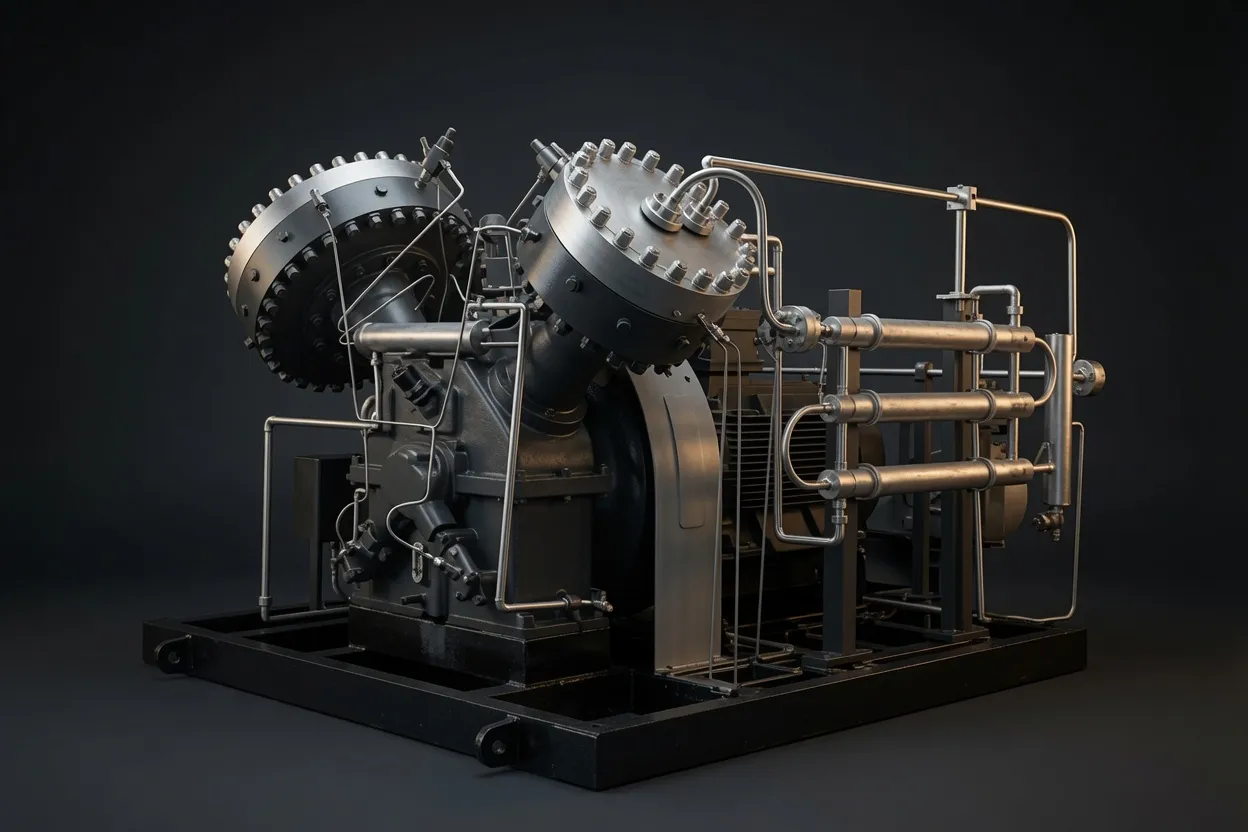
Full Lifecycle Cost (LCC) covers all cash outflows from equipment bidding, installation, 10-year operation to final scrapping. Industrial compressor industry unified LCC formula is: Total LCC = Initial Procurement CapEx + Annual Operating OpEx × Service Years + Maintenance Expense + Downtime Loss – End Salvage Value. We break each cost module of water injected oil-free compressor separately, distinguishing one-time fixed cost and recurring annual variable cost for clear financial calculation.
2.1 One-Time Fixed Capital Expenditure (CapEx)
- Main compressor unit host cost (single/twin screw, fixed/VSD motor);
- Supporting RO water purification system full set expense;
- Matched desiccant air dryer, compressed air filter and air receiver tank;
- Installation, foundation construction, pipeline wiring and commissioning labor fees;
- Transportation, loading and site delivery charges;
- Third-party ISO Class 0 certification testing fees (for pharmaceutical & food factories);
- Optional IoT remote monitoring and explosion-proof custom upgrade cost.
CapEx accounts for only 15%–20% of total 10-year LCC, even though it is the largest single payment at purchase. Most procurement teams overweigh upfront price and ignore recurring operating expenses that occupy 70%+ of total outlay, creating biased equipment selection decisions that raise long factory financial pressure.
2.2 Recurring Annual Operating Expense (OpEx — Largest LCC Share)
Electricity cost dominates all LCC items, as air compressor energy consumption can take up 40% of a manufacturing plant’s total power bill. For water lubricated oil-free screw compressors, OpEx splits into three core parts:
- Main & Auxiliary Power Consumption: Main drive motor electricity plus continuous power draw of water circulation pumps, cooling fans and RO system control units. Near-isothermal compression cuts main motor power by 8%–16% versus dry oil-free compressor, offsetting extra auxiliary pump energy loss for factories running over 6000 hours per year.
- RO Water System Recurring Cost: Monthly replacement of water precision filters, quarterly descaling chemicals, annual RO membrane replacement and softener salt consumption. This unique OpEx item does not exist on dry oil-free equipment and becomes a key hidden cost to calculate in LCC sheets.
- Water Consumption Fee: Evaporation loss supplementary purified water expense, negligible for closed circulation loops but accumulates over decade-long operation.
2.3 Long-Term Maintenance & Overhaul Cost Module
Maintenance expenditure gap between water injected and dry oil-free compressor is the most critical LCC differentiator. Dry two-stage oil-free rotary screw compressors require expensive rotor recoating every 70,000–90,000 operating hours, with single overhaul cost reaching thousands of dollars. Water-lubricated models eliminate rotor coating entirely, removing this huge mid-term overhaul cost from LCC calculation. Regular maintenance outlays of water lubricated compressors only cover air filters, water filters and annual bearing inspection, 40%–60% lower annual service fees than equivalent dry oil-free units. Maintenance costs also include technician labor for daily inspection, quarterly descaling and annual full machine disassembly checkups.
2.4 Unplanned Production Downtime Hidden Loss
Downtime loss is easily omitted in simple price comparison but carries heavy weight in full lifecycle cost. Water-lubricated oil-free compressors with stable water film protection have far lower air end seizure failure rates, while dry oil units face high risk of coating peeling and rotor jamming under long continuous load. Every unplanned 8-hour compressor shutdown causes raw material waste, delayed orders and labor idle loss for food, pharma and electronics production lines. Factories calculating LCC must multiply average annual failure frequency by per-shutdown economic loss to include this hidden expenditure in financial models.
2.5 End-of-Life Salvage & Disposal Value
After 10–15 years of service life, water lubricated oil-free compressors have higher residual scrap value than dry oil-free models due to full stainless steel water pipeline and corrosion-resistant rotor components. Dry oil-free units contain waste coating hazardous waste that generates extra disposal fees, while water injected equipment only produces recyclable metal without toxic residues, adding net positive salvage income to final LCC balance sheets.
3 Quantitative 10-Year LCC Comparison: Water vs Dry Oil-Free Compressor (45kW Benchmark)
| 10-Year LCC Item (45kW Class 0 Unit) | Water-Lubricated Oil-Free Compressor | Dry Two-Stage Oil-Free Compressor |
|---|---|---|
| Initial Full Set CapEx | Higher (+18% vs dry) | Lower base quotation |
| 10-Year Total Electricity Cost | 8–16% lower annual power bill | Higher adiabatic compression energy loss |
| Annual Water System OpEx | Recurring filter & membrane cost | $0 no water supporting expense |
| 10-Year Total Maintenance Fee | 45–60% lower, no rotor recoat | Large periodic rotor overhaul outlay |
| Average Annual Downtime Loss | Low failure frequency, minimal loss | Frequent coating breakdown shutdowns |
| End Salvage Value Minus Disposal Fee | Positive residual metal value | Hazardous waste disposal deduction |
| Total 10-Year LCC Result | Medium-Low Net Cost | Significantly Higher Total Expense |
This benchmark table reflects real industrial operation data from food and pharmaceutical factories with 8000+ annual running hours. For facilities operating less than 4000 hours per year with stable high-pressure demand above 0.4MPa, dry oil-free compressor LCC gap narrows, while continuous low-pressure production workshops gain massive long-term cost advantages choosing water injected oil-free screw compressor solutions. The core payback cycle of the extra upfront investment on water lubricated equipment ranges from 2 to 3.5 years under full-load year-round operation, fully recovering the initial price premium via electricity and maintenance savings.
4 Standard LCC Calculation Template For Factory Procurement
Finance and equipment management teams can apply this standardized calculation template to generate auditable LCC reports for budget approval, specifically optimized for water-lubricated oil-free air compressor models:
Full LCC Calculation Formula
Total 10-Year LCC =
1. One-Time Full Set Procurement CapEx
+ (Annual Main Motor Power Cost + Annual RO Water OpEx + Annual Regular Maintenance Fee) × 10 Years
+ Cumulative Unplanned Downtime Economic Loss Over Decade
– End-of-Life Equipment Salvage Residual Value
Key Calculation Input Variables To Collect
- Rated motor power & average annual full-load operating hours
- Local industrial electricity unit price per kWh
- RO water system monthly filter & chemical expenditure
- Quarterly descaling and technician labor hourly cost
- Estimated annual compressor failure times & per-shutdown production loss
- Expected equipment residual value after 10-year service cycle
When filling the template, procurement managers must separate VSD and fixed-speed power consumption data to avoid miscalculating energy-saving benefits of variable speed drive compressor configurations. All recurring water system costs unique to water injected equipment cannot be omitted, otherwise the LCC result will be severely understated and mislead investment decisions.
5 Common Price & LCC Misunderstandings To Avoid
Many industrial buyers fall into five typical cost traps when comparing water-lubricated oil-free compressors, leading to overspending or insufficient equipment performance:
- Misunderstanding 1: Lower initial quotation equals better value
Only evaluating single machine host price ignores mandatory RO water supporting equipment cost and long energy loss of dry oil-free units. A cheap standalone water compressor host without matched RO system creates hidden later outsourcing expenditure that exceeds the original package price difference. - Misunderstanding 2: Water system costs offset all energy savings
For factories running over 6000 hours yearly, 8–16% monthly electricity savings far outweigh small monthly water filter fees, delivering clear net positive annual cash flow surplus. - Misunderstanding 3: Twin screw water compressor always cheaper in LCC
Twin screw lower upfront price is counterbalanced by frequent bearing replacement and higher vibration-induced downtime loss for 24-hour continuous production sites. - Misunderstanding 4: Ignore downtime loss in LCC calculation
Oil contamination and air end seizure shutdowns on dry oil-free compressors generate massive order and raw material waste that can double actual 10-year LCC figures. - Misunderstanding 5: VSD upgrade is not worth extra CapEx
VSD variable speed models cut partial-load power use by up to 35%, shortening investment payback cycle by 1–2 years for factories with fluctuating air demand.
6 Ways To Optimize Water-Lubricated Compressor LCC & Reduce Total Cost
1 Optimize Core Power Configuration
Select VSD permanent magnet motor matching factory air load curve to cut partial-load power waste, the most effective LCC reduction measure for variable production lines.
2 Integrate Matching RO System From Factory
Buy complete matched water circulation packages with the compressor manufacturer to avoid third-party system compatibility faults and higher consumable pricing.
3 Strict Standardized Maintenance Schedule
Follow daily/quarterly water filter replacement and descaling plan to prevent rotor scaling seizure and expensive air end overhaul.
4 Select Single Screw For Long-Running Plants
Single screw balanced structure lowers vibration and bearing wear, slashing 10-year maintenance and downtime LCC expenditure.
5 Add Heat Recovery Module Option
Recover compression waste heat for factory heating or hot water supply to offset facility energy bills and lower overall plant operating cost.
6 Match Proper Post Air Dryer
Select matched desiccant air dryer to eliminate pipeline corrosion risk and avoid production loss from moisture-contaminated compressed air.