
1. Core Structural Difference Between Two Water-Lubricated Oil-Free Types
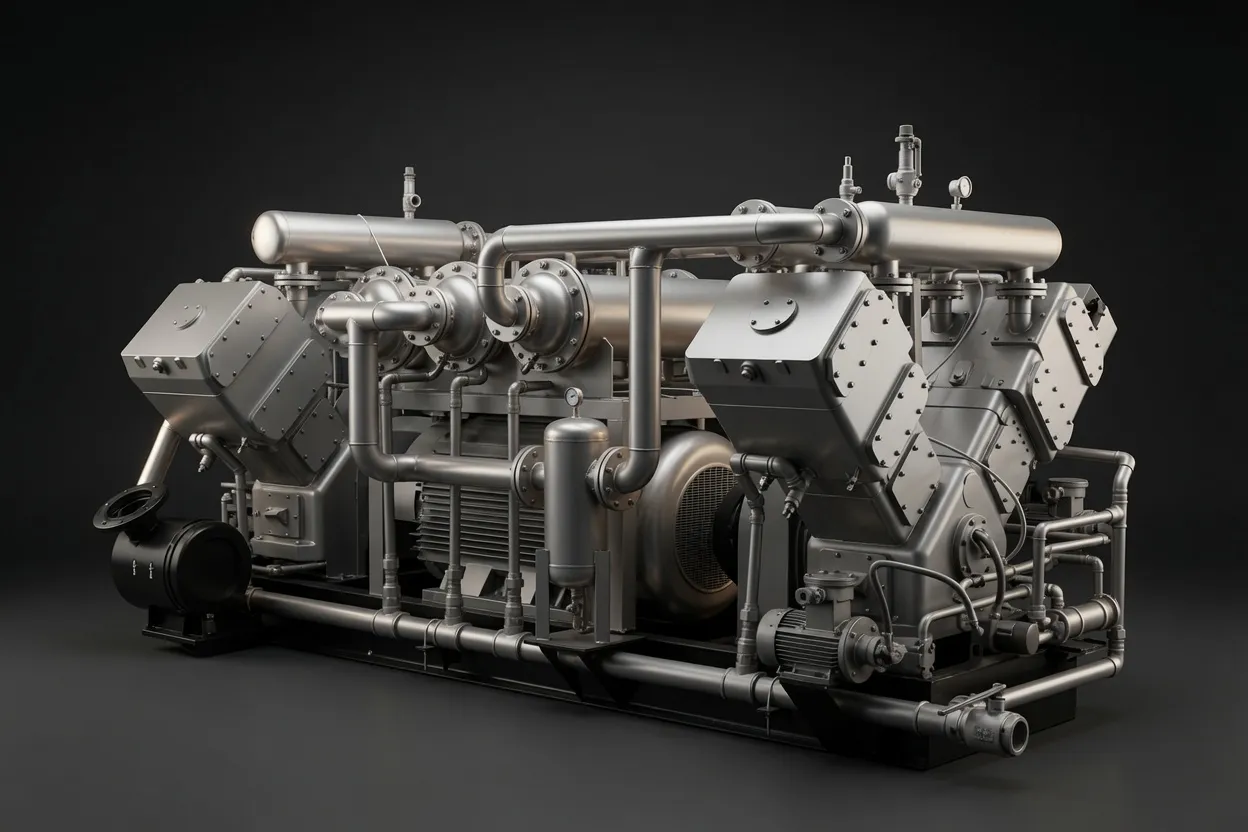
All water injected compressors belong to oil-free air compressor products that adopt purified RO water as lubricant and coolant, yet single screw and twin screw models have completely different air end structures that decide most performance gaps. A single screw water-lubricated compressor relies one main cylindrical screw plus two symmetric star wheels installed on left and right sides. The star wheels swing instead of full rotation, and compression chambers form evenly on both sides of the screw to balance axial force naturally. In contrast, twin screw water lubricated oil-free rotary screw compressor uses one male rotor and one female rotor that mesh together continuously during operation. Two rotors generate offset axial thrust during compression, which needs extra balance bearings and sealing assemblies to counteract force deviation. This fundamental structural gap is the root cause of vibration, wear, maintenance and energy consumption differences buyers will encounter in long-term factory operation. Many procurement teams mix up these two oil free compressor types at first, leading to mismatched equipment for their production load and site environment.
2. Working Mechanism Differences Under Water Injection Circulation
Both single screw and twin screw units realize near-isothermal compression by spraying purified water into compression cavities, but their gas compression paths and water film forming conditions differ largely. For single screw water-lubricated equipment, water evenly fills the clearance between screw tooth grooves and two star wheel teeth. The symmetric contact surface lowers relative sliding speed, so the water lubricating film stays intact without easy breakdown under continuous running. Twin screw water injected compressor forms sealing film between male and female rotor meshing lines with much higher linear speed up to 40m/s. High shear force frequently tears partial water film, creating tiny metal contact spots between rotors during high-load operation. This means twin screw air ends need stricter water conductivity control and more frequent filter replacement to avoid abrasion, while single screw models tolerate minor fluctuations of water quality within a reasonable range without fast component wear. This mechanism gap directly answers why some factories report frequent rotor maintenance on twin screw water lubricated compressors after one year of heavy use.
3. Vibration, Noise & Stability Comparison
Vibration level is a key confusion point for users who install compressors beside cleanrooms, laboratories or medical workshops. Single screw water-lubricated oil-free compressor balances compression force on 180-degree symmetrical star wheels, vibration value stays below 0.7mm/s under full load. Uniform force distribution eliminates periodic impact shock, so running noise maintains 68–70dB(A) without extra sound insulation enclosures. Twin screw rotary screw compressor generates alternating meshing impact between two rotors, vibration commonly hits above 1.2mm/s. The offset axial force also transfers vibration to base frames, requiring thicker shock-absorbing pads and independent foundation reinforcement during installation. Long-term high vibration on twin screw units loosens pipeline joints, water circulation valves and electrical wiring, triggering regular air leakage and abnormal alarm faults. Factories with precision electronic assembly lines or sterile pharmaceutical workshops usually prefer single screw water injected compressors for stable low-vibration air supply without interfering sensitive production equipment.
4. Core Component Service Life & Wear Gap
Many plant operators wonder which water lubricated oil-free compressor has longer air end lifespan under 24-hour continuous duty cycles. Single screw designs adopt rolling friction between screw and composite star wheels, relative movement speed only 1/3 of twin screw rotor meshing speed. The complete water film separates contact surfaces effectively, so screw radial wear remains less than 0.02mm after 8,000 full running hours. Twin screw rotors operate under high sliding friction; once water film breaks locally, metal abrasion accumulates rapidly, shortening air end service cycle by nearly 40% compared with single screw alternatives. Besides main rotors, twin screw water injected compressor needs multiple groups of thrust bearings to balance axial force, these wearing parts require inspection every 3,000 hours. Single screw equipment removes complicated thrust bearing assemblies, reducing vulnerable wearing parts quantity and cutting unexpected shutdown risks caused by bearing failure. This difference greatly affects total cost of ownership calculation for long-term manufacturing investment plans.
5. Maintenance Workload & Recurring Cost Difference
| Maintenance Item | Single Screw Water-Lubricated Compressor | Twin Screw Water-Lubricated Compressor |
|---|---|---|
| Bearing Inspection Cycle | Annual routine check only | Every 3,000 operating hours |
| Water Filter Replacement Frequency | Every 6 months | Every 3 months |
| Axial Seal Adjustment | No required adjustment | Quarterly preload calibration |
| Annual Average Maintenance Cost | Low (filter & water system only) | High (bearings + seals + rotor inspection) |
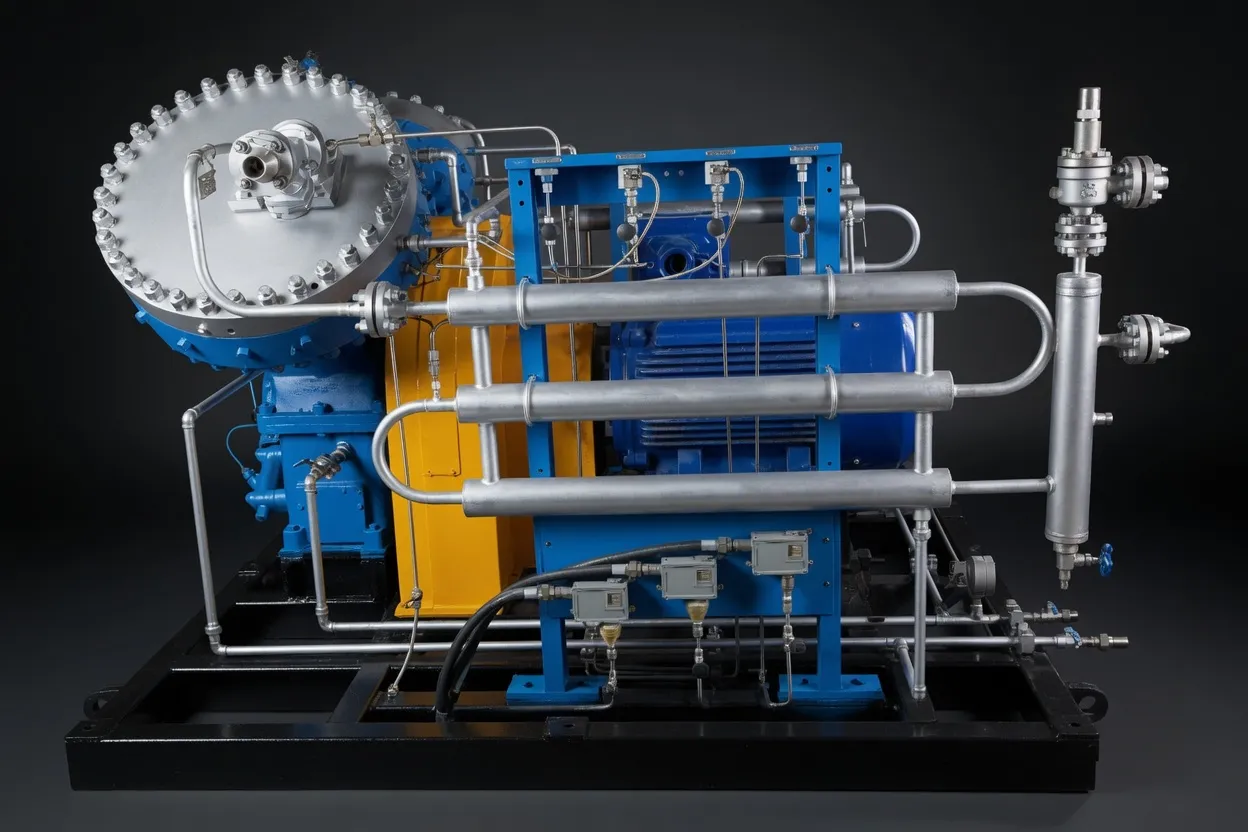
This table solves the common confusion of factory maintenance supervisors: which oil-free rotary screw compressor takes less daily upkeep work. Single screw water lubricated units remove complex axial sealing and multi-thrust bearing systems, daily maintenance only includes checking water conductivity indicator and cleaning intake compressed air filter. Twin screw water injected compressor adds regular seal pre-tightening and multi-bearing disassembly inspection work, consuming extra technician labor every quarter. Factories without dedicated full-time compressor maintenance teams will face heavy workload if they select twin screw models, while single screw equipment cuts routine maintenance time by over 50%. Many users feedback that switching from twin screw to single screw water-lubricated oil-free compressor reduces annual maintenance expenditure by more than half within two production years.
6. Energy Efficiency & Air Output Efficiency Gap
Factory finance teams often ask which water-lubricated oil-free air compressor saves more electricity for year-round production. Single screw’s symmetric compression chambers maintain consistent sealing clearance under low and medium load, internal air leakage rate stays below 4%. Twin screw twin rotor meshing creates variable clearance under fluctuating pressure, internal leakage can reach 8%–11% under partial load conditions, raising air compressor energy consumption obviously. When matched with variable speed drive compressor configuration, single screw water injected equipment further optimizes power draw during off-peak production hours. For factories running 10+ hours daily under 0.12–0.4MPa low pressure range (the mainstream working range of water lubricated compressors), single screw units deliver 7%–13% lower monthly electricity bills than equivalent power twin screw models. Twin screw compressors show slight efficiency advantage only under stable full-load high-pressure working conditions above 0.5MPa, which rarely matches the application scope of standard water injected oil-free compressed air systems for food and pharmaceutical industries.
7. Applicable Industrial Scenario Matching Differences
After learning all performance gaps, users still struggle to confirm which type fits their own factory, so we split matching scenarios clearly to eliminate selection confusion. Single screw water-lubricated oil-free compressor perfectly matches low-pressure continuous production lines requiring low vibration and low noise, including oil free air compressor for pharmaceutical, oil free air compressor for food and beverage, electronic component dust cleaning, laboratory air supply and dental clinic pneumatic equipment. These industries run long daily hours with strict limits on equipment vibration and air contamination risks, and single screw’s long air end service life lowers long-term operating cost. Twin screw water injected rotary screw compressor suits intermittent high-flow production sites with stable water treatment infrastructure, such as large-scale brewery batch aeration and medium-pressure biogas pre-compression projects. Facilities with short daily running hours (below 6,000 hours annually) and enough professional maintenance staff can choose twin screw types without obvious TCO loss, while 24-hour non-stop manufacturing plants should prioritize single screw water lubricated models.
8. Initial Purchase Price & Long-Term Investment Balance
Many small factory buyers fixate only on upfront machine cost and ignore 10-year total cost of ownership gap. Twin screw water lubricated oil-free rotary screw compressor has lower ex-factory unit price at the same power specification, which attracts budget-limited temporary production lines at first glance. But hidden recurring costs including bearing replacement, seal adjustment, frequent filter consumables and premature air end overhaul will accumulate rapidly within 3–5 years of continuous operation. Single screw water injected compressor carries slightly higher initial procurement cost, yet nearly zero mid-term overhaul fees and reduced monthly electricity expenditure offset the price gap quickly. Calculated under 8,000 annual running hours and standard industrial electricity rates, single screw models reach positive investment payback within 4 years, while twin screw units cannot recover the initial price advantage over the full 10 equipment service cycle. This solves the common user doubt: is twin screw cheaper really more cost-effective in long factory operation?
9. Water Quality Adaptability Difference & Corrosion Risk
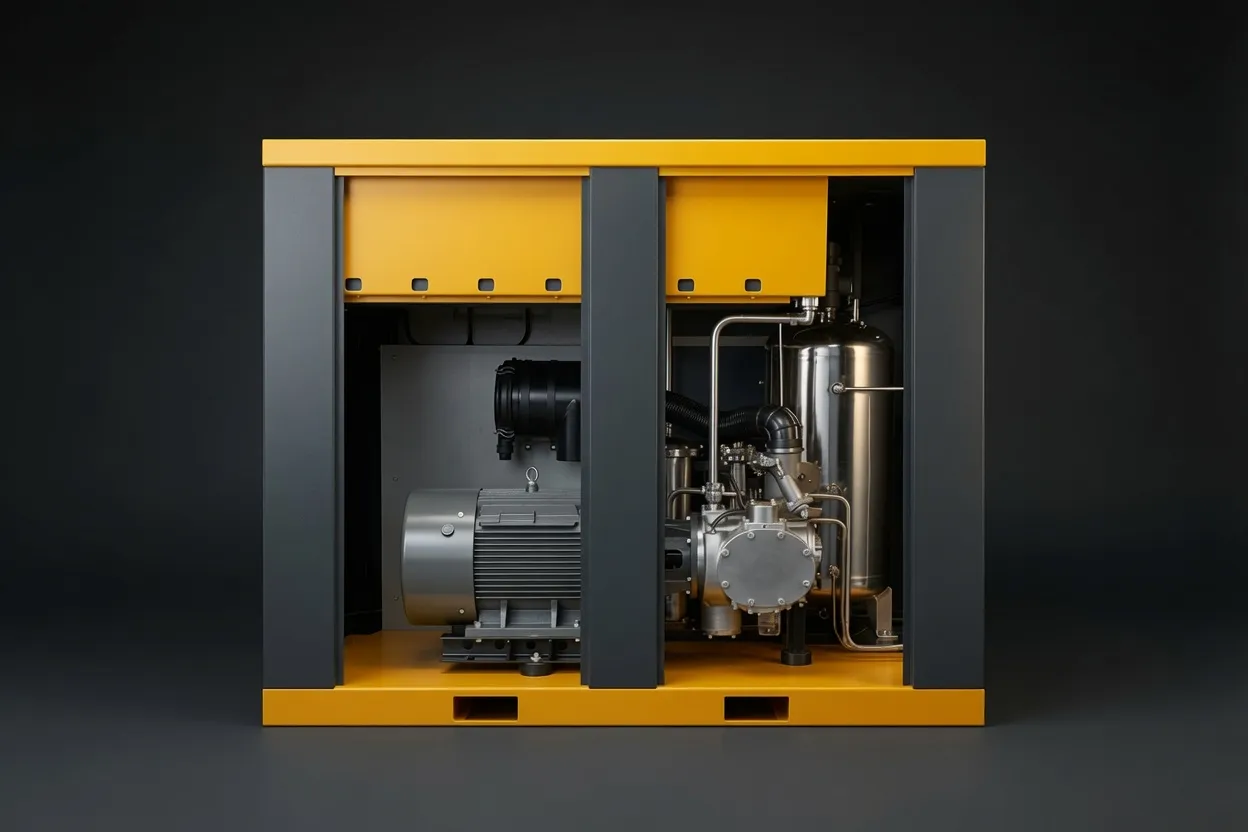
A frequent real-world user confusion: do single and twin screw water injected compressors have identical tolerance for softened tap water instead of RO pure water? The answer is negative. Single screw’s low sliding friction reduces scaling abrasion risk even if water conductivity rises temporarily, composite star wheels resist mild mineral deposit erosion without instant performance drop. Twin screw rotors rely on complete continuous water film; minor calcium and magnesium scaling will scratch rotor metal surfaces permanently once film breaks under high meshing speed. Factories with unstable local water softening equipment or periodic water supply fluctuation face much higher failure risks when using twin screw water lubricated compressors, needing extra online water monitoring sensors and frequent descaling maintenance. Single screw equipment allows quarterly water system cleaning instead of monthly flushing work, lowering auxiliary water treatment system operation labor and consumable expenses for plant facility teams.
10. Quick Selection Checklist To Eliminate Buying Confusion
Choose Single Screw If You Meet These Conditions
- 24-hour continuous low-pressure production (0.12–0.4MPa)
- Cleanroom, pharmaceutical, food factory with low vibration demand
- No full-time compressor maintenance technician on site
- Want to cut long-term total cost of ownership
- Unstable local softened water supply conditions
Choose Twin Screw If You Meet These Conditions
- Intermittent batch production below 6,000 annual runtime
- Stable RO pure water treatment system fully equipped
- Professional maintenance team available quarterly
- Medium pressure demand above 0.4MPa occasionally
- Short-term factory project with limited upfront procurement budget
This checklist directly resolves the core hesitation of most procurement managers. Instead of blindly following supplier recommendations, cross-check your factory’s daily running hours, water supply quality, maintenance manpower and pressure demand to lock the matching water lubricated oil-free compressor model without post-purchase regret. Many customers who blindly selected twin screw units due to lower initial cost later upgraded to single screw after 2–3 years of frequent breakdown and high maintenance expenditure.